
Zen Meditation Tools
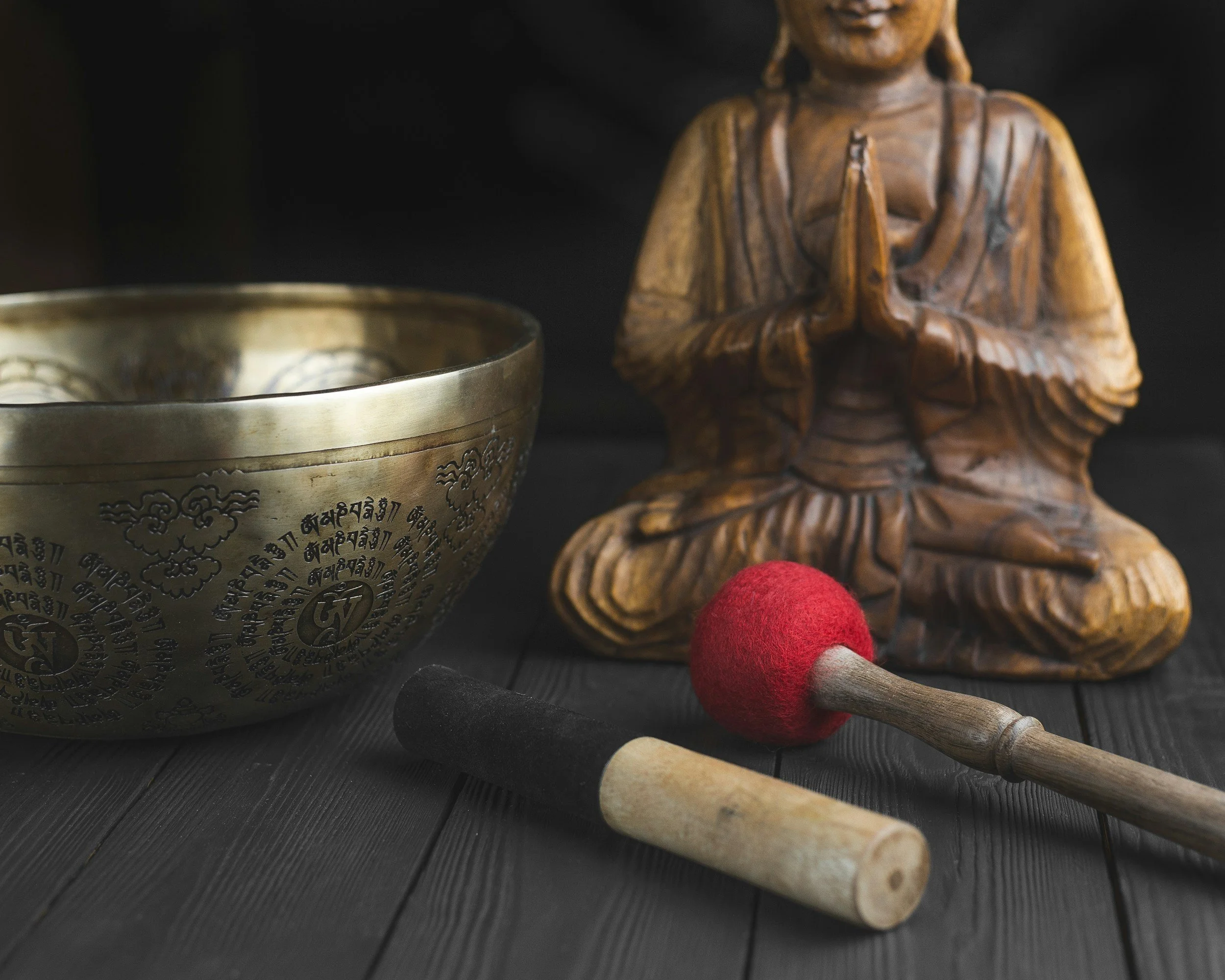
Keisu / Kin (bowl bell)
This is usually the primary instrument used during the sitting itself. Its clear, resonant tone is chosen deliberately — a sound with a long, natural decay lets practitioners follow it as it fades into silence, which is itself a small practice in attention (watching something arise and dissolve). It's rung at defined points: start, transitions to/from walking meditation, and end, so the whole group can move together without spoken instruction breaking the silence.
Clappers (hyoshigi)
Two wood blocks struck together for a sharp, percussive signal — used for very specific transition points, like the beginning or end of walking meditation or formal bows, where a crisper, more abrupt sound is more useful than the bell's long decay.
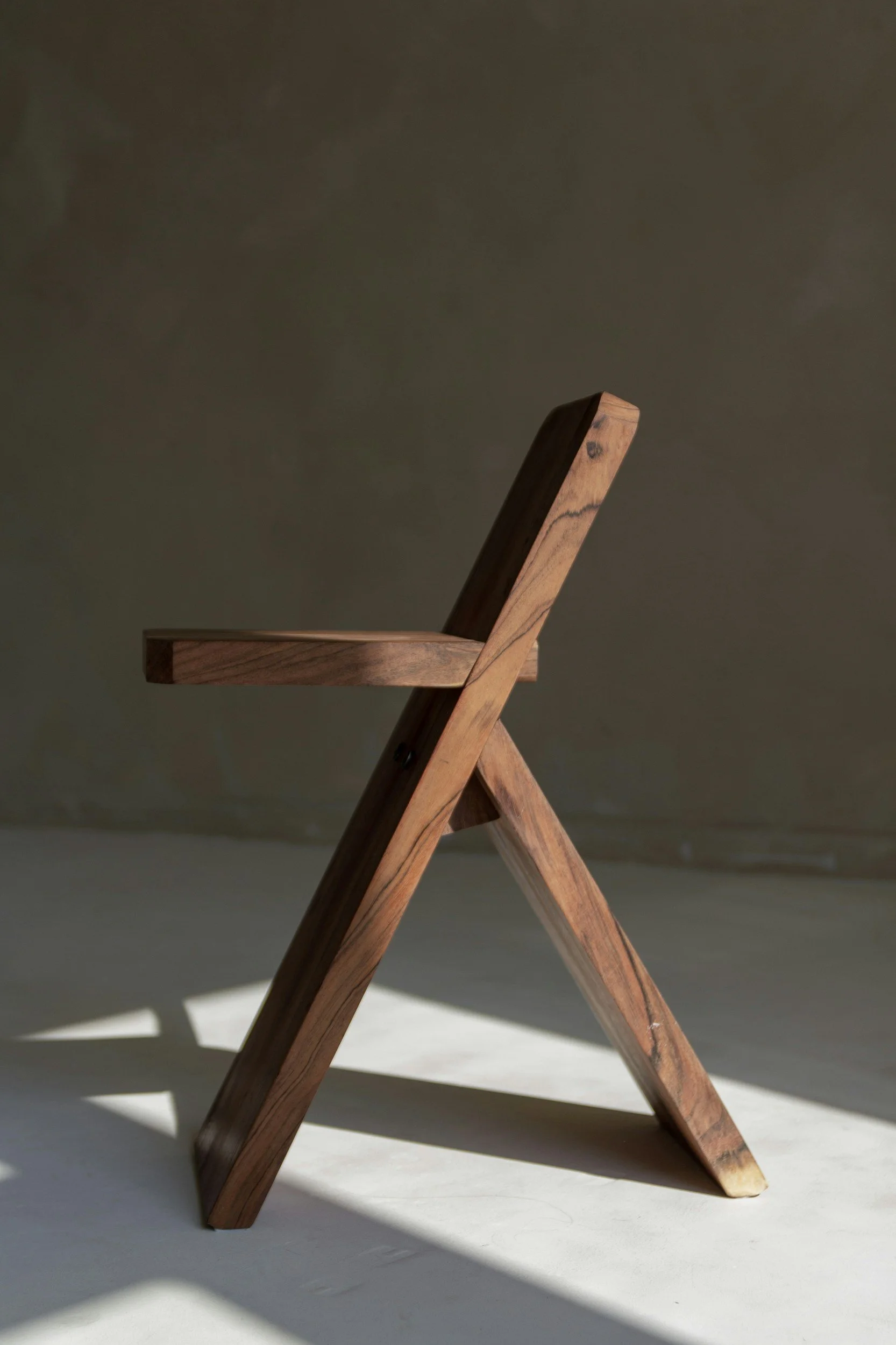
Chair
No symbolic function — purely practical accessibility, allowing people who can't sit on the floor (due to injury, mobility, age, etc.) to still hold an upright, alert seated posture.
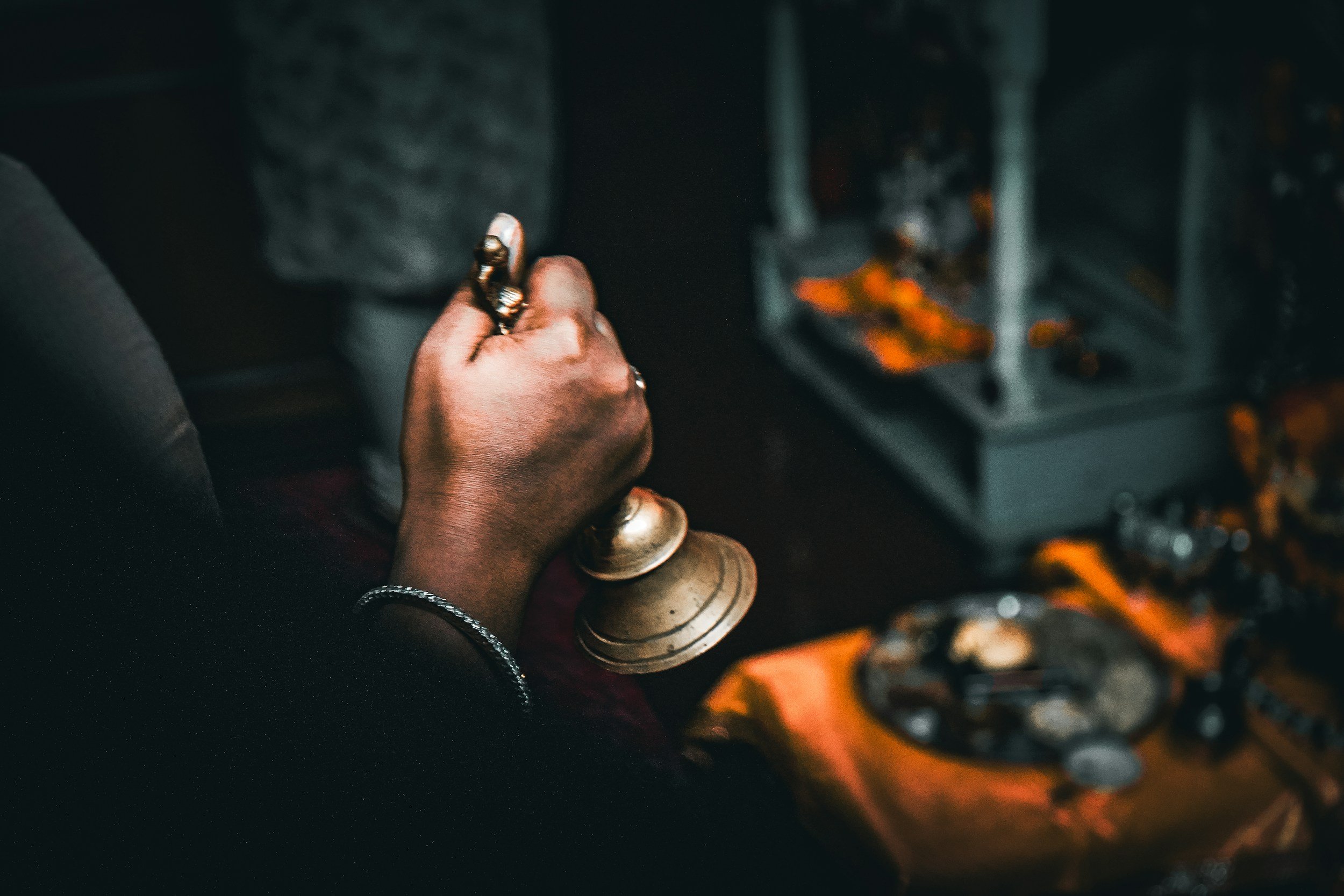
Inkin (hand bell)
Functionally similar to the keisu but smaller and portable, often used by whoever is leading a session — especially useful in smaller groups, home practice, or when a leader needs to signal from where they're sitting rather than from a fixed altar area.
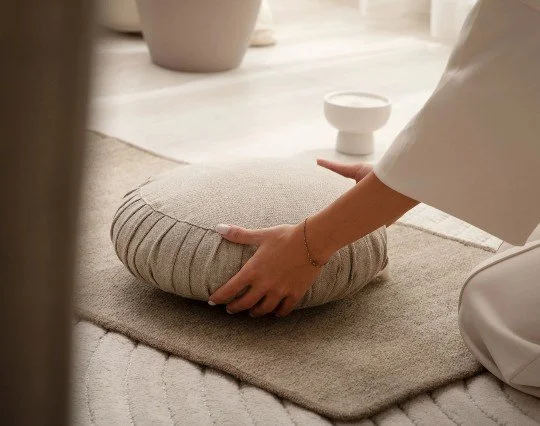
Zafu (round cushion)
Elevates the hips above the knee line. This small height change tilts the pelvis slightly forward, which allows the natural curve of the lower spine to stack the vertebrae with minimal muscular effort — the goal being a spine that's upright but not rigid, sustainable for long periods without strain.
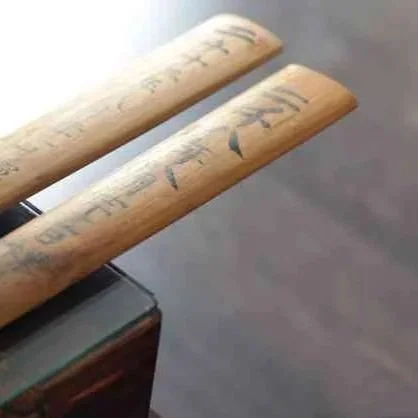
Kyosaku (awakening stick)
Used in specific lineages, typically only during longer retreats (sesshin). A practitioner may bow to request a strike, or in some traditions, the person carrying the stick offers it to those who appear drowsy or tense. The strike lands on specific shoulder muscle points, and it's described less as discipline and more as a jolt of alertness or physical tension release — since long stillness can build up muscular tension that a moment of sharp sensation can dissolve. It's always consensual within the ritual structure, and many contemporary centers have dropped it entirely as attitudes toward it have shifted.
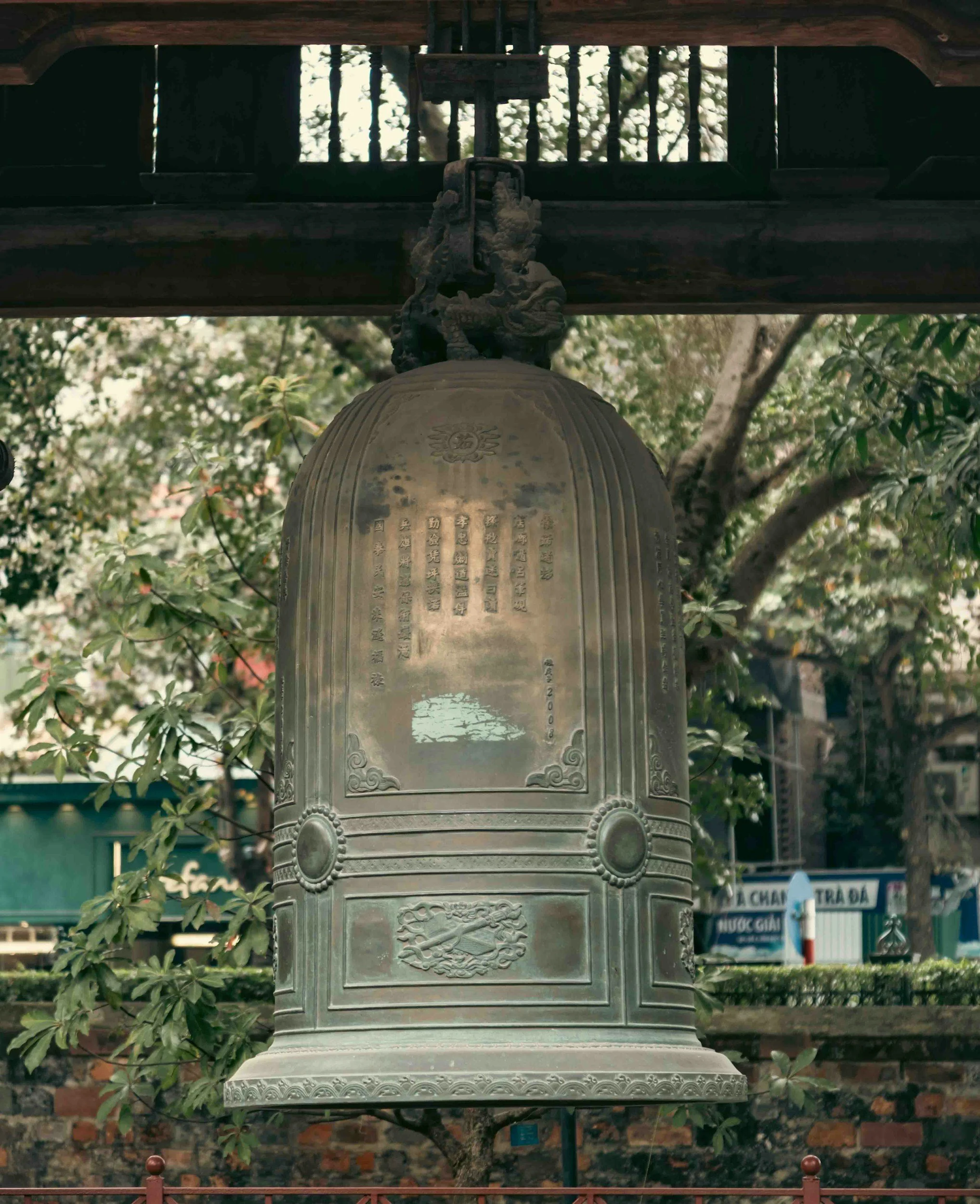
Densho (large hanging bell)
This is a summons, not a mid-session signal — it's rung before practice begins, often audible throughout the temple grounds, to call practitioners from wherever they are into the zendo. It marks the boundary between ordinary daily activity and formal practice time.
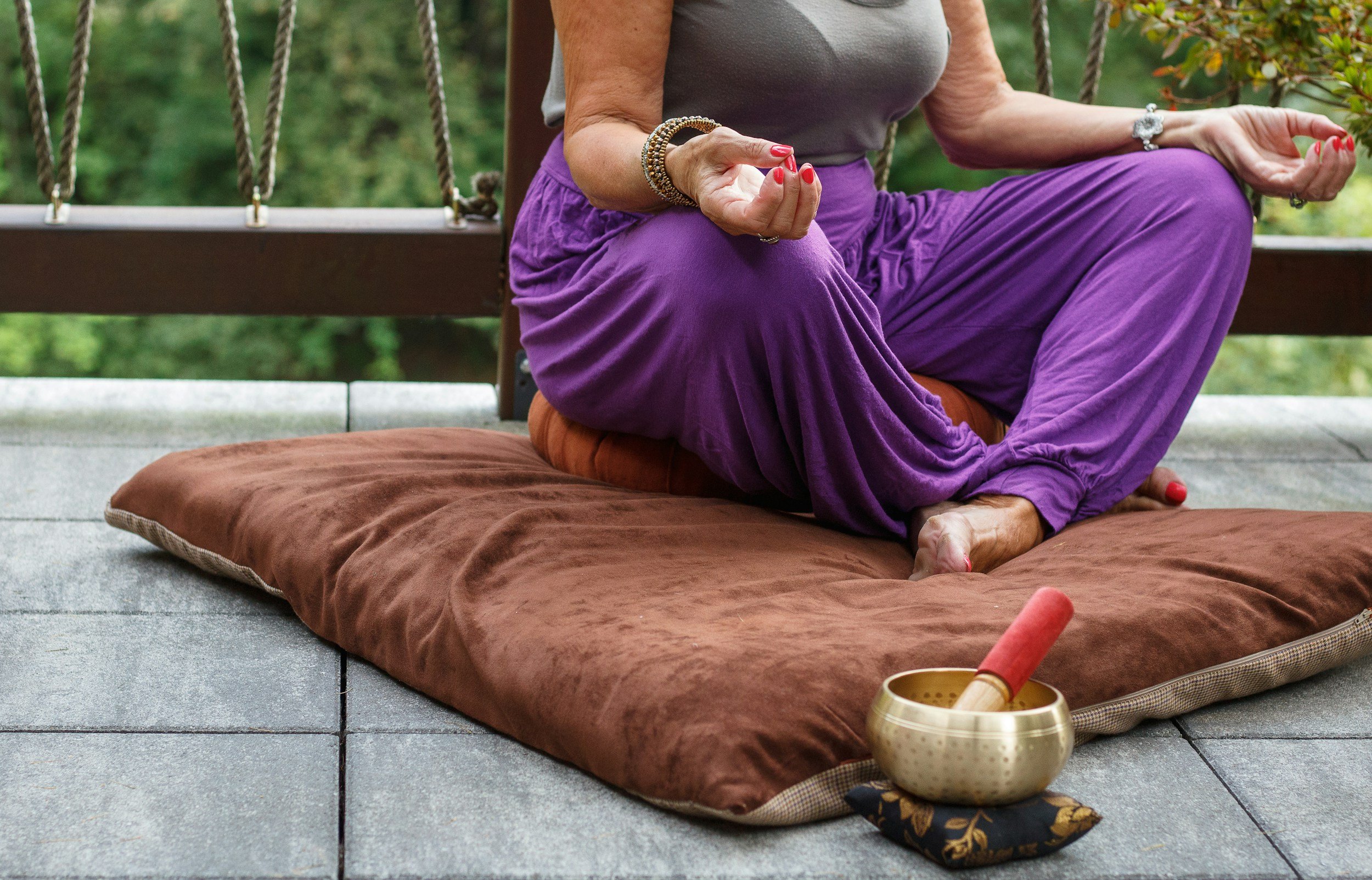
Zabuton (flat mat)
Cushions the knees, shins, and ankles against a hard floor. Without it, the pressure points in cross-legged postures become painful quickly, which pulls attention toward discomfort rather than practice.
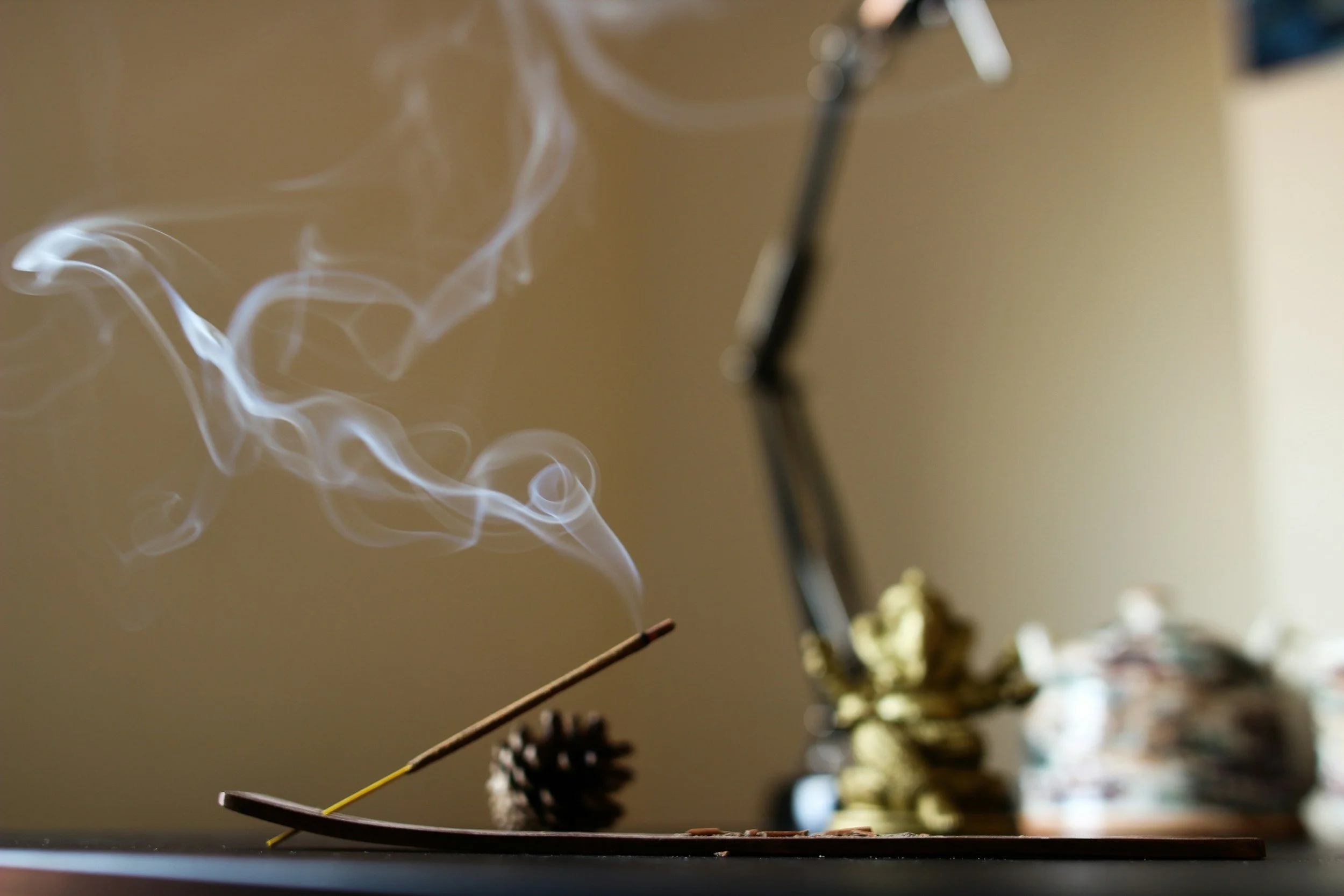
Incense stick
A practical timer before mechanical clocks were commonplace — "one stick of incense" became a standard unit for how long a sitting period lasted (roughly 30–45 min depending on the incense). Some centers keep using it today for its atmospheric and ritual quality even though timers are more precise, since the slow-burning stick itself mirrors the unhurried pace the practice is trying to cultivate.
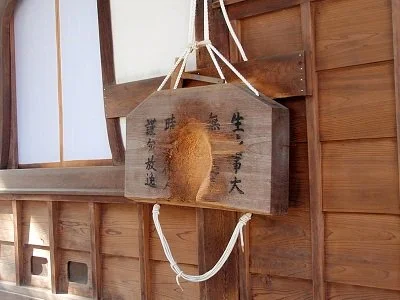
Han (wooden block)
Struck in a specific accelerating rhythm — slow strikes at first, gradually speeding up before stopping abruptly. The pattern itself is symbolic: some traditions describe it as representing the shortness and urgency of life, a reminder to practice earnestly because time is passing. It's typically the very last sound before silence begins.
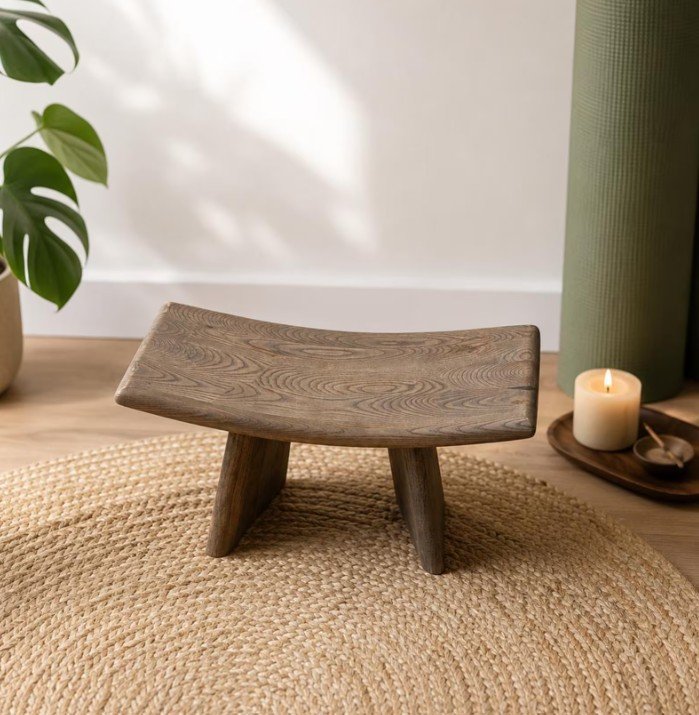
Seiza bench
Distributes body weight differently than sitting directly on the heels, taking pressure off the ankles and knees for those in the kneeling position — often more sustainable for people with knee sensitivity or limited ankle flexibility.

Water bottle
To help keep you safe, we suggest having a water bottle on hand during your guided meditation session.