
How to Meditate
A Gentle Get-Started Guide
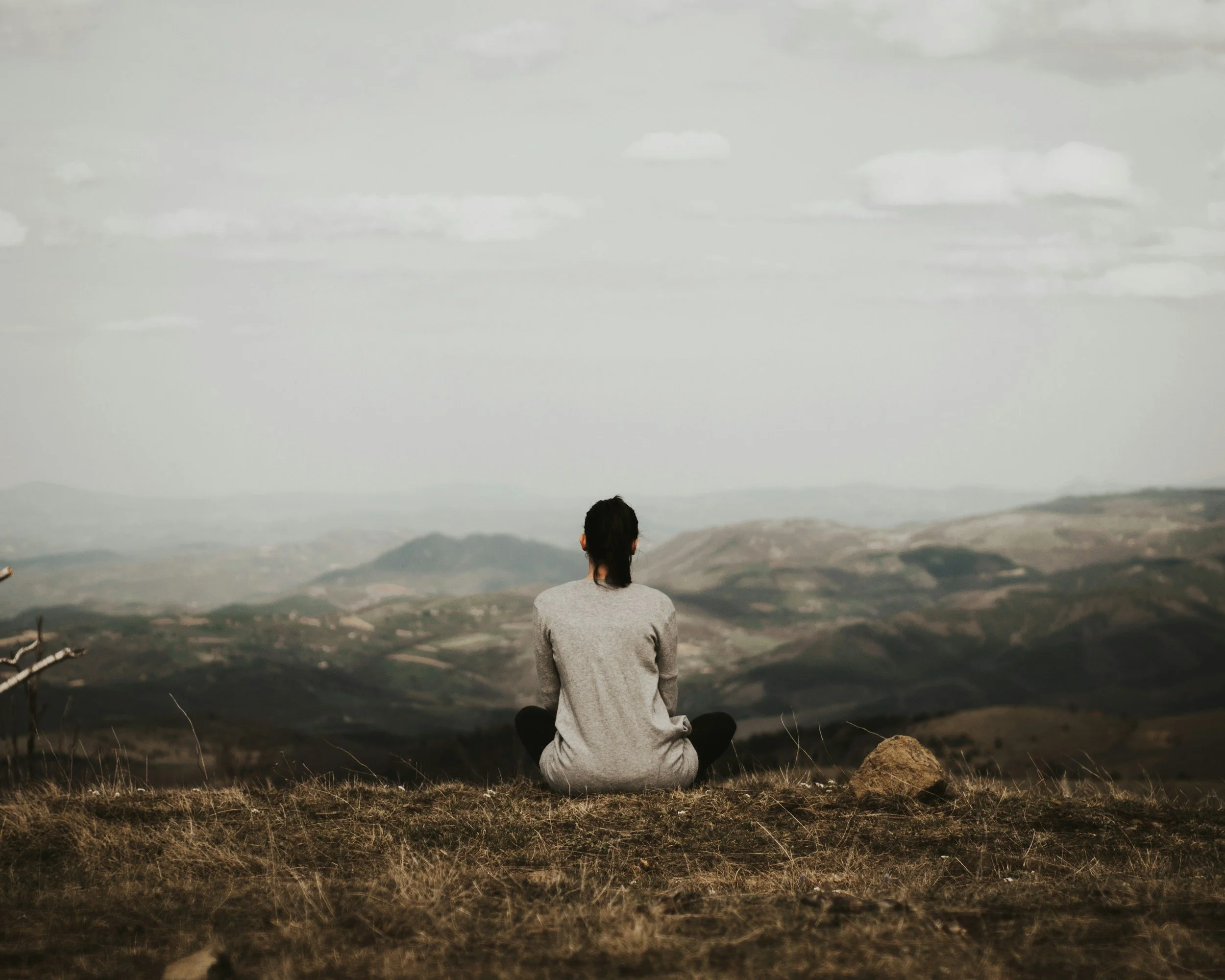
What is “Zen Meditation”?
Zen meditation is the meditative practice at the heart of Zen Buddhism, a school of Mahayana Buddhism that developed in China (as Chan) before spreading to Japan, Korea, and Vietnam. Rather than emphasizing scripture study or intellectual analysis, Zen prioritizes direct, experiential insight into the nature of mind and reality through sustained meditation practice. It tends to be simple and unadorned — sitting with the breath and present-moment awareness rather than following elaborate visualizations or techniques.
Zazen (座禅, "seated meditation") is the specific formal practice through which Zen meditation is done. Key elements include:
Posture: Sitting upright, often cross-legged on a cushion (zafu), with a straight spine, hands resting in a specific mudra (often the cosmic mudra — one hand cupped in the other, thumbs lightly touching), and eyes typically half-open, gaze lowered.
Breath: Attention rests on natural breathing, often counting breaths as a way to anchor the mind.
Mind: The aim isn't to blank the mind or chase a particular experience, but to observe thoughts arising and passing without grasping or pushing them away — sometimes described as "just sitting" (shikantaza in the Soto tradition).
Setting: Traditionally practiced in a zendo (meditation hall), often in group sessions, sometimes punctuated by walking meditation (kinhin) between sitting periods.
Different Zen lineages emphasize zazen somewhat differently — Soto Zen tends toward shikantaza (open, objectless awareness), while Rinzai Zen often pairs zazen with koan practice (paradoxical questions used to short-circuit conceptual thinking and provoke insight). We will be using elements of both in our guided meditations.
Other Forms of Meditation
Sitting is the most common form of meditation, but far from the only one. So do not be discouraged if you find that zazen is not for you!
Sitting meditation (zazen, vipassana, etc.): The classic form — seated, cultivating stillness and present-moment awareness while the body stays largely motionless.
Walking meditation (kinhin in Zen, or standalone walking practice): Slow, deliberate walking with attention on the sensations of each step, often used to bridge sitting periods or to work with restlessness that makes stillness difficult.
Standing meditation (e.g., zhan zhuang in Chinese traditions): Standing still, often with arms held in a rounded position, cultivating awareness of posture, breath, and subtle body sensation — common in qigong and some martial arts lineages.
Lying-down meditation (e.g., yoga nidra, or reclined mindfulness): Practiced lying flat, often used for deep relaxation or body-scanning; the tradeoff is it's easier to drift into sleep, so it's less emphasized for concentration training.
Moving meditation (yoga, tai chi, qigong): Meditative awareness woven into a flowing sequence of movements, where the movement itself becomes the object of attention rather than an obstacle to it.
Eating meditation: Mindful, silent eating with full attention on the taste, texture, and act of eating — common in retreat settings (e.g., the raisin exercise, or formal Zen meals called oryoki).
Everyday activity meditation: Bringing meditative attention to ordinary tasks — washing dishes, sweeping, driving — treating the activity itself as the practice rather than a break from it.
The common thread across all of them is sustained, non-judgmental attention to present experience — the body position is just the vehicle, not the point.
How We Sit
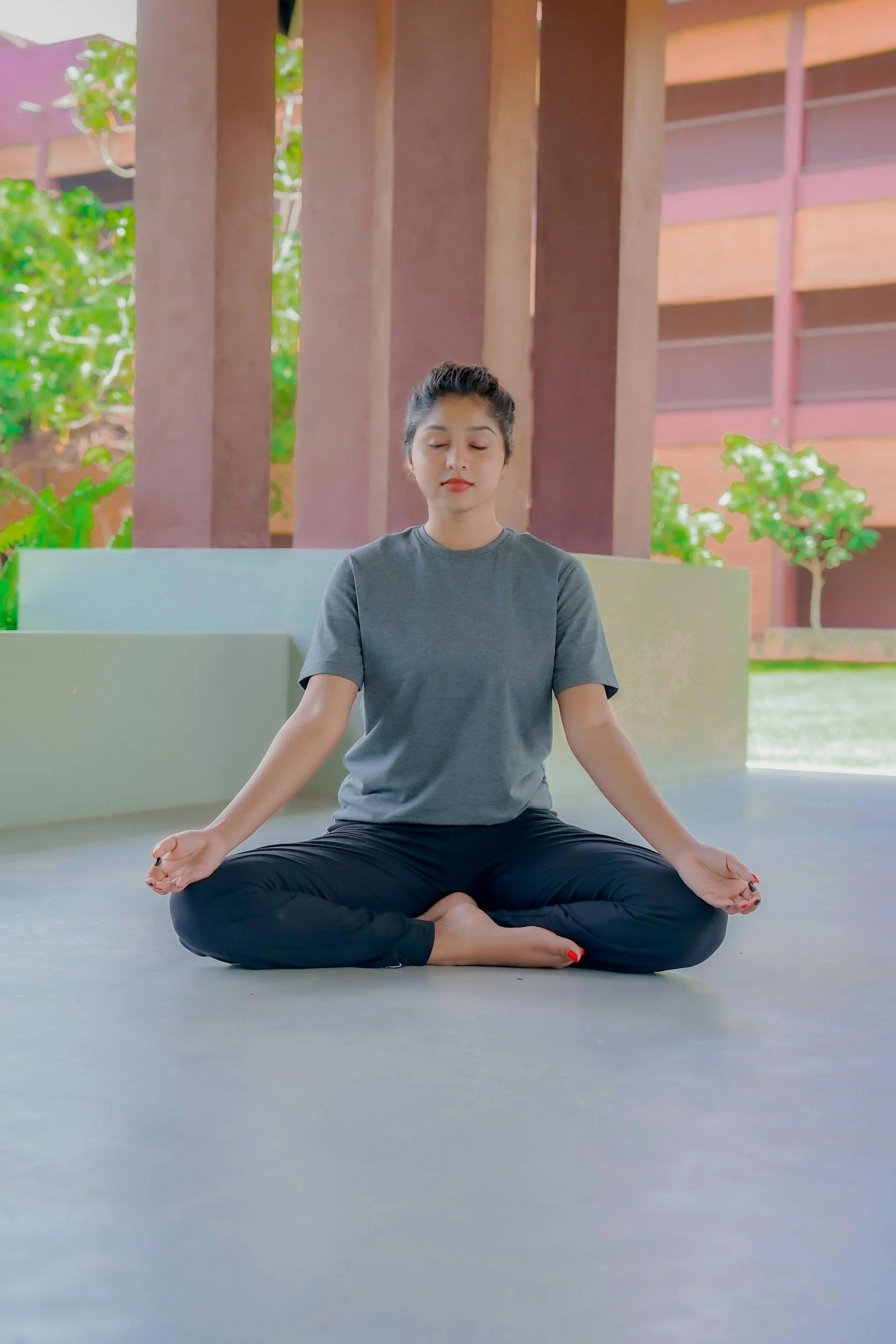
Bermese
Both legs are folded flat on the floor with the feet in front of each other (not stacked), each shin resting on the ground — the most accessible of the cross-legged positions for most bodies.
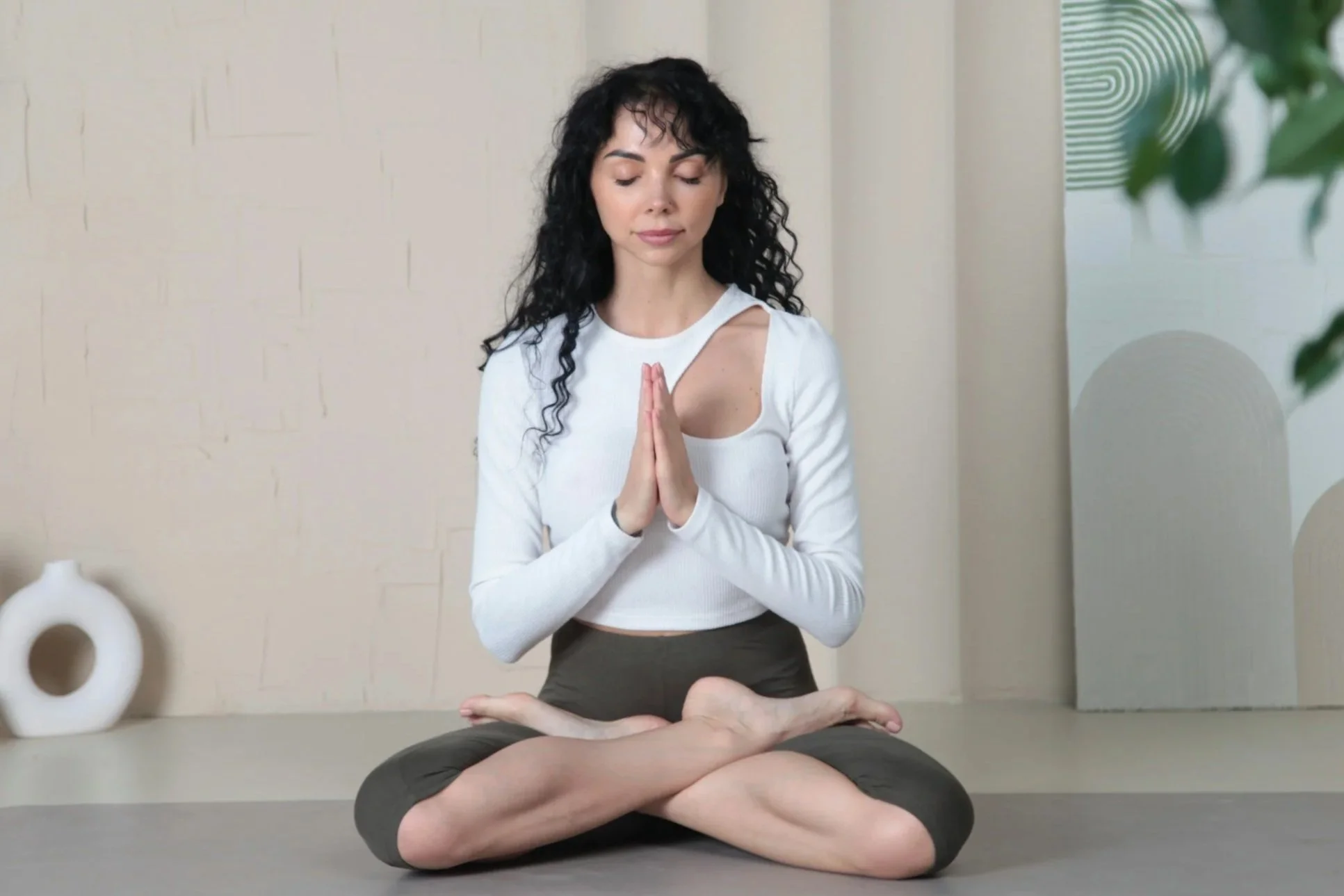
Full Lotus
Sit with each foot placed sole-up on the opposite thigh, creating a symmetrical, self-locking base that's very stable but requires significant hip flexibility.
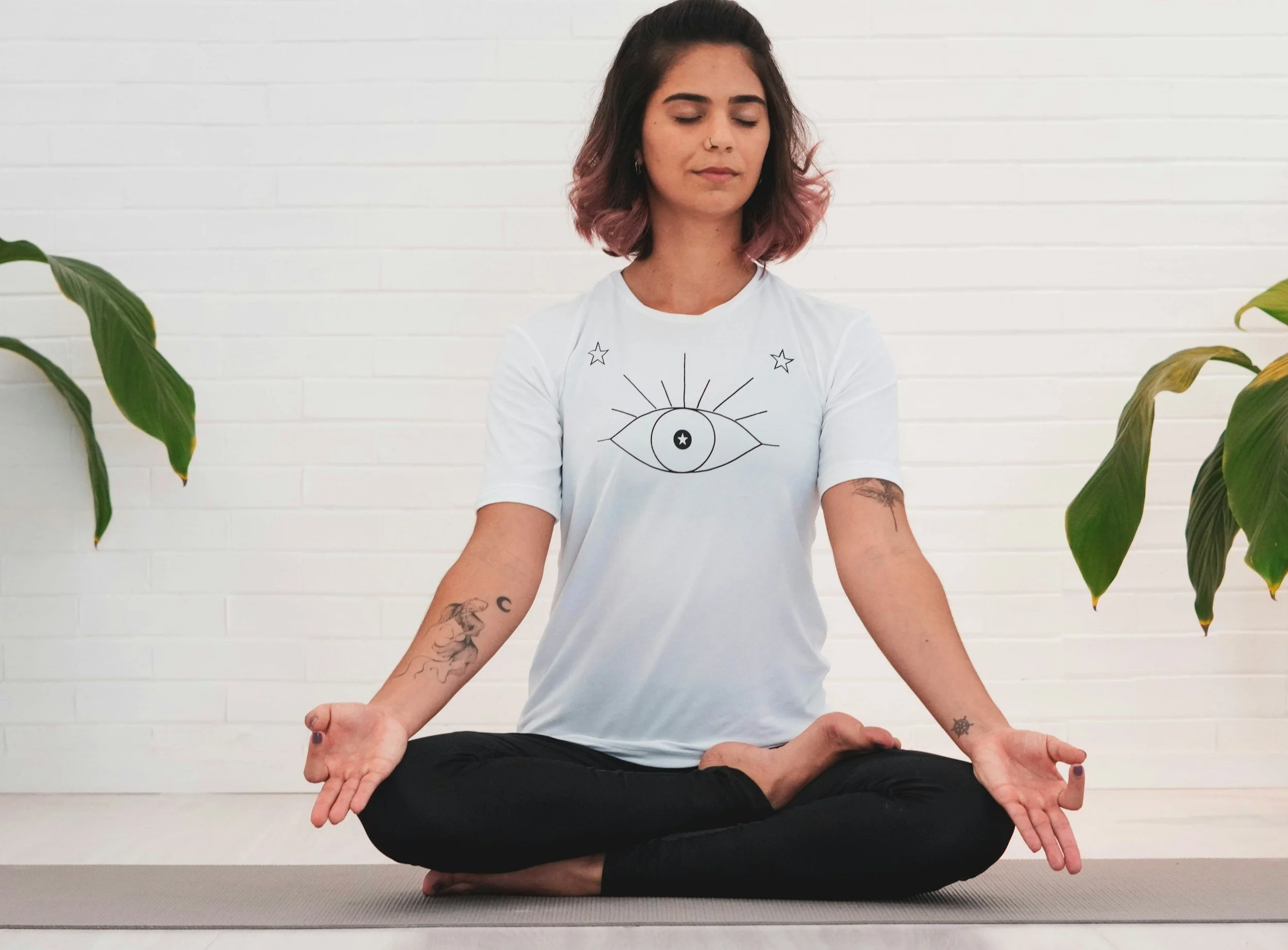
Half Lotus
One foot rests sole-up on the opposite thigh while the other foot tucks under the opposite thigh (or rests on the floor beneath it), offering much of the stability of full lotus with less flexibility demand.
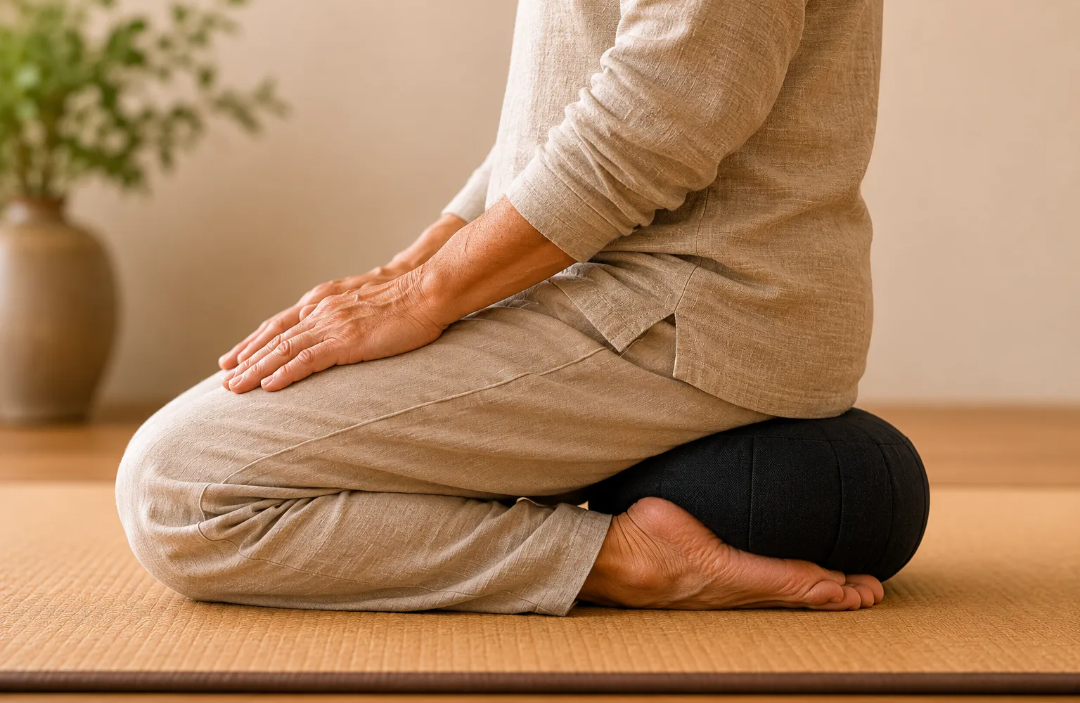
Seiza
Kneeling with the shins and tops of the feet flat on the floor and the buttocks resting back on the heels (often with a bench or cushion between the calves for support), commonly used by those who find cross-legged sitting uncomfortable.
Why we do not sit “criss-cross-apple-sauce”
Lack of a stable base: The traditional zazen postures create a tripod-like foundation (two knees and the sit bones, or the crossed legs pressing down) that keeps the spine self-supporting without muscular effort. A loose criss-cross sit doesn't anchor the knees to the floor the same way, so the pelvis tends to rock or tip, making it harder to hold an upright spine over long periods.
Knees not grounded: In lotus, half-lotus, and Burmese, the knees (or at least one knee) ideally touch the floor, widening the base of support. In a casual cross-legged sit, the knees often float above the floor, which reduces stability and can create strain in the hips and lower back as the body compensates.
Spinal slouching: Without that stable tripod base, it's much easier to collapse into the lower back or round the shoulders over a 20-40 minute sit — which works against the alert, uplifted posture zazen aims for (sometimes described as the spine "stacking" like coins).
Numbness and shifting: The loose cross-legged position tends to concentrate pressure unevenly on the legs, leading to quicker numbness and more urge to shift — which is disruptive to sustained stillness, one of the core disciplines of zazen.
What is MOST Important
Find a sitting position that is comfortable for YOU. We prefer you to sit comfortably rather than not sit at all.
What We Use
Sound instruments (signals)
Keisu / Kin — a small bowl-shaped bell, struck with a padded mallet, used to mark the start/end of sitting periods.
Inkin — a small hand bell on a stick
Music - If the group chooses unanimously, we may have light ambient music. However, music is seen as a distraction rather than a helpful meditation tool in zen meditation.
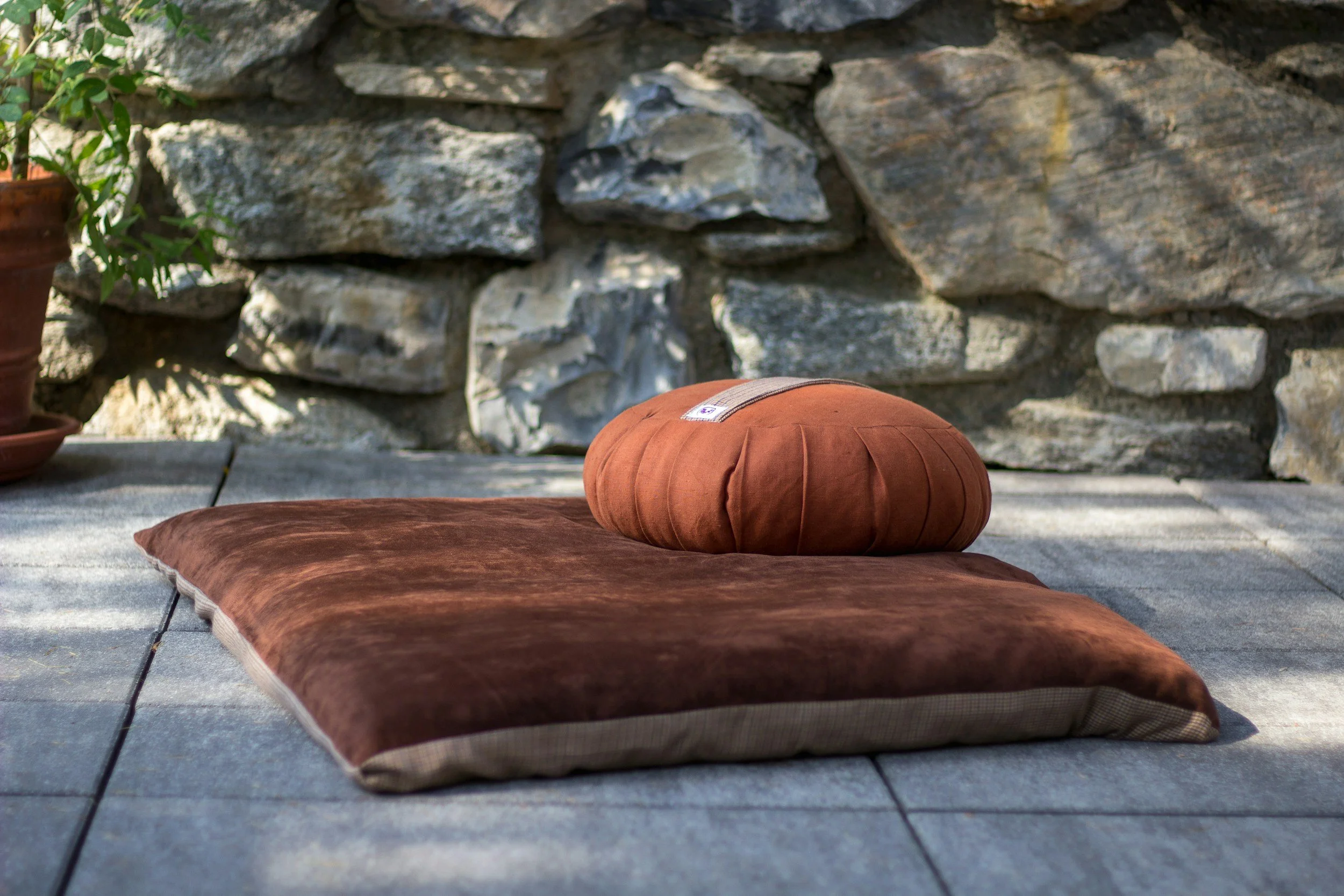
Posture supports
Zafu — the round, firm cushion sat on to elevate the hips above the knees, which helps the spine sit naturally upright. You may also choose to use a firm pillow.
Zabuton — the flat, larger mat placed underneath the zafu to cushion the knees and shins.
Meditation bench (seiza bench) — a low wooden bench used by those sitting in seiza (kneeling) rather than cross-legged. You can also use the zafu for kneeling.
Chair — Used for those who can't sit on the floor.
Yoga mat or blanket/rug - Used for those who do not wish to sit directly on the ground.
Timekeeping
Incense stick — traditionally used to time a sitting period (a session lasts "one stick of incense"). For our purposes, we will be using a timer.
Sample Meditation Process
Welcome
Centering practice
Introduction to the meditation
Sharing of the lesson/story/reflection for the week
Guided meditation practice
Silent un-guided meditation
Re-centering
Goodbyes